We Are America
A Life in Addresses
By Calla
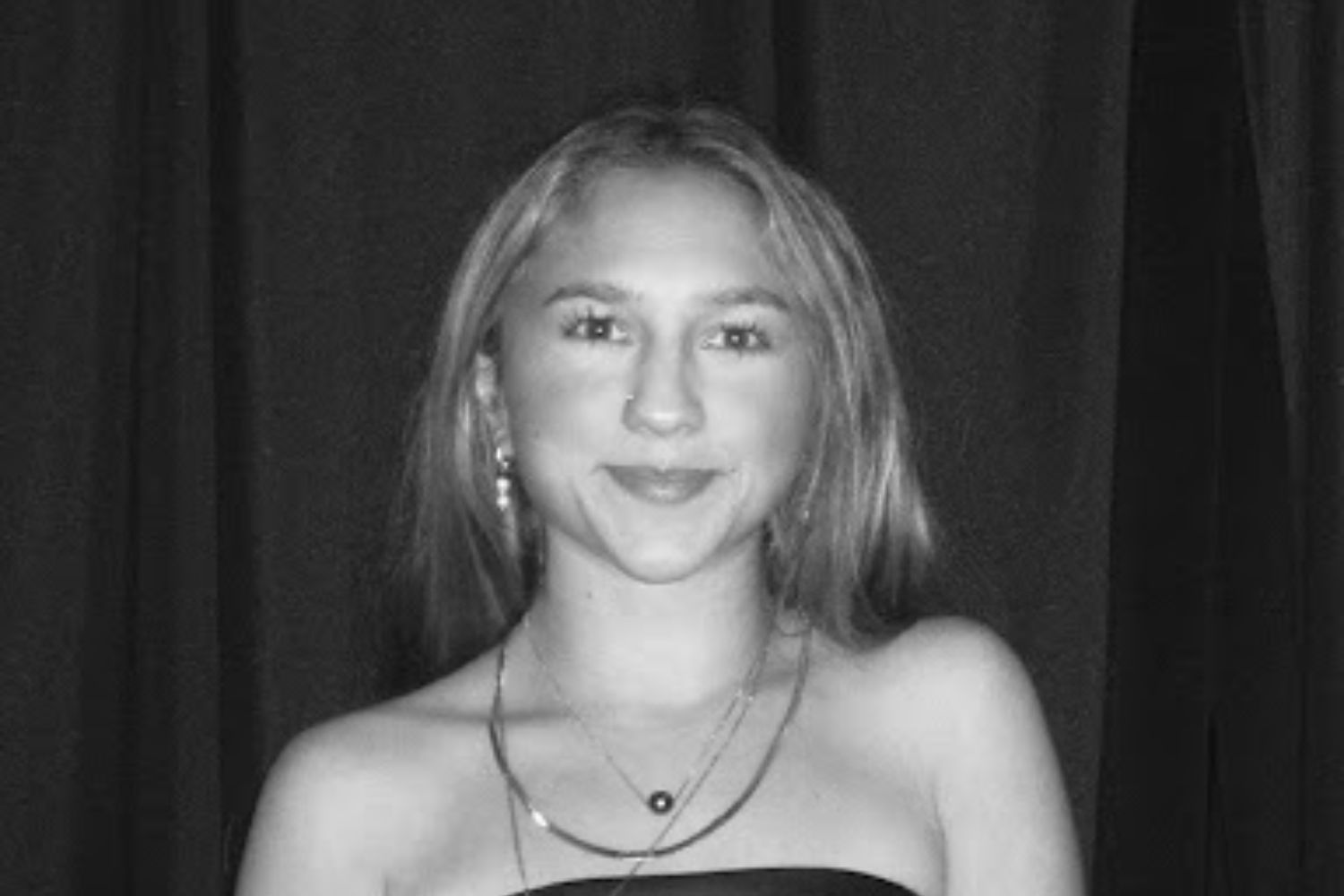
Gig Harbor High School, Gig Harbor, Washington
I am seventeen years old, and I have moved fifteen times. By the ninth grade, I had attended nine different schools. By the time most people learned the layout of their childhood home by heart, I was already learning how to pack boxes quietly, how to say goodbye without making it dramatic, and how to read a new classroom and people as quickly as I could. However, my story is different from other kids in my position; my family is not in the military. There was rarely an official reason for our constant movement; I had no straightforward explanation that I felt the people I was leaving could understand immediately. We moved because of life: jobs, finances, opportunities, setbacks, personal struggles, and the hope that the next place might be better than the last, that we could turn the page and write a new and better story.
Growing up in this way taught me early that America is not a fixed place. For many, it’s a hodgepodge of temporary addresses, unfamiliar new homes, and first interactions that never stop coming, as scary as they may seem. Although most of my homes were around Washington State, it was still always a big change for a young kid. Every new home meant a new version of myself had to be created or could be created as I grew, and the desire to change who I was did too. I learned how to introduce myself quickly, how to find a seat that felt comfortable, and how to decide when to speak and when to stay quiet. I became increasingly observant. I noticed lifestyles, routines, and the unspoken realities of each community. Some people and places were welcoming; others were not as much. Each home had one thing in common though, the most important of all: they left something with me. It’s easier to know the types of people you like and don’t like when you’ve known so many of them throughout the years. I have opinions on living in bigger cities versus small rural towns. And most of all, I know that I never want to move my child so many times when I’m a parent.
Moving so often meant I never had the luxury of permanence. Friendships felt life-changing, though they were brief. I’ve had more “best friends forever” than you can count on your hands, even if I’m not in contact with any of them anymore. As time went on, I stopped promising that last word in the phrase, “forever.” Instead, I developed a deeper value in connection in the present, making the most of the time that I had with people. Yes, I still left each relationship wrecked and thought I would never find something like that again, but I also learned the beauty in showing up fully and loving hard, even when you know you won’t remain.
Each move exposed me to different versions of Washington, America, and home. Some schools had abundant resources; others significantly less. Some communities felt tight-knit and hard to break into; others felt fractured, making it even harder to find your place. These contrasts shaped my understanding of the world. They taught me empathy. They taught me that no single story defines this country. Despite my lack of stability, or maybe because of it, I am grounded in who I am. Though my relationship with myself has gone through ups and downs over the years, moving so often forced me to look inward for consistency. My values—being adaptable, deeply curious (which has also been greatly affected by how much I’ve traveled, but that’s another story), resilience, faith, and so much more—became my home. I learned how to rebuild myself without losing myself, or at least certainly tried. These skills have prepared me for adulthood in ways I am only beginning to understand.
I am not defined by a singular hometown, school, or zip code. All of my life I have been defined by movement, by growth, by relationship, by honesty and trust, and by the ability to start over again and again. My story is not unusual, but it is deeply American. We are a country of motion, of change, of people learning how to belong in shifting landscapes.
© Calla. All rights reserved. If you are interested in quoting this story, contact the national team and we can put you in touch with the author’s teacher.