We Are America
A Melting Pot of Food
By Jack
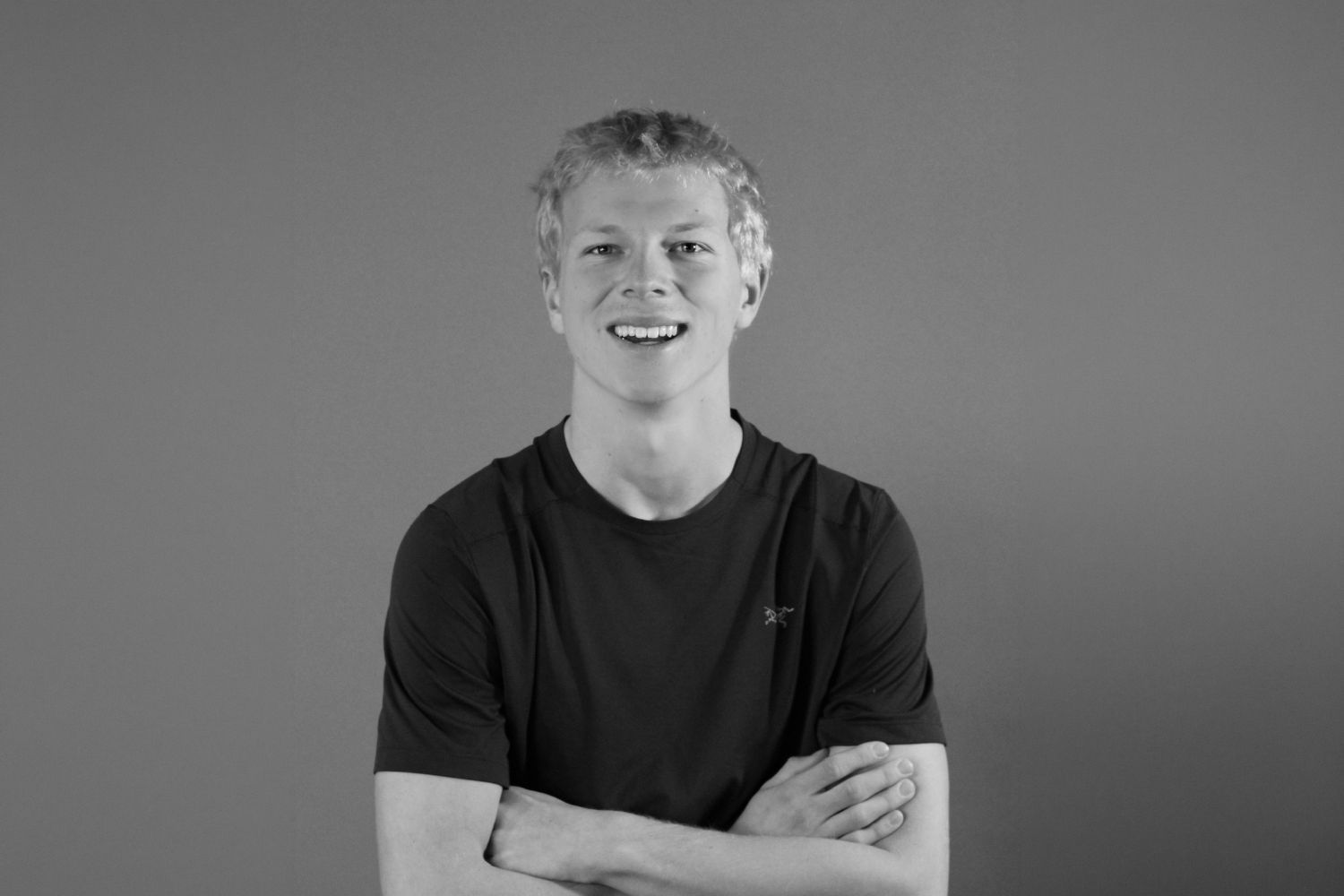
Gig Harbor High School, Gig Harbor, Washington
I grew up thinking it was normal to travel all over the world in one meal. While watching my father cook, I never really understood what he was doing, but I knew from the way that he moved with intention that it was definitely something important. One evening he’d be rolling sushi, the next grinding spices for curry, and sometimes our kitchen felt like a filled Greek marketplace with lemon and oregano. He always joked that through his cooking he could be any culture that he felt like.
As a kid from Gig Harbor, I didn’t think I had much culture of my own. Being an “American” didn’t feel like an important identity to me. I never felt a profound connection to the Fourth of July or Thanksgiving or other American holidays that we celebrated. I mean occasionally the national anthem sparked my patriotism during games or on Veteran's day, but even that only lasted for a while. For a long time, I believed that I had nothing to offer.
Yet every night, I watched my dad in the kitchen, measuring out spices and adjusting heat, creating food that would amaze my taste buds. I never asked how he made anything; I thought that his comfort came with his adulthood. So when I finally tried cooking at the ripe age of 18, I thought adulthood would naturally be inherited by me. Instead I was met with disorder: chopping onions had me confused and so many timers were going off I had no clue what any of them meant.
After many nights of watching him cook, I felt like I had picked up on a pattern. There was no cookbook, no failure; there were no rules. He mixed different ingredients from different cuisines. My dad turned Japanese fish cutting techniques into a delicate Mexican cuisine and Greek herbs into Italian sauce. He created with a freedom I didn’t quite understand. Everything I made tasted good, but none of it felt like mine.
That realization forced me to face something larger, I had grown up surrounded by different cultures through food, ideas, experiences, and perhaps most of all people. I was so focused on doing everything “right” that I never let myself add to my own story. I feared that because I spent so much time using everything already made for me that I didn’t have a culture to call my own.
I thought about how my dad cooked and boiled it down to three principles, borrowing, blending, and creating. Even though he said he could be any culture he wanted, he wasn’t, he was his own.
Cooking became my way of understanding identity. Food is who we are. We get our recipe in the form of our parents' teachings, and add to and subtract from it. Even if I didn't have my own distinct culture, I could mix parts of my life and the lessons from others to create something new.
I began to cook up my own unique recipes, mixing my love for the outdoors with my passion for DECA and business and my STEM curiosity. I combined and shaped and mixed these aspects of my life to create my own culture, not stolen from others, but built upon a mixture of my own beliefs and ideas.
In the end, maybe I’m not just American, Croatian, white, or any other label. I am a mixture of the things I love and the people who have loved me. In the kitchen, I never needed a passport to travel all those nights, and maybe I never needed a defined culture either. Maybe all I needed was an identity I cooked for myself.
© Jack. All rights reserved. If you are interested in quoting this story, contact the national team and we can put you in touch with the author’s teacher.