We Are America
A Path to Understanding
By Nemanja
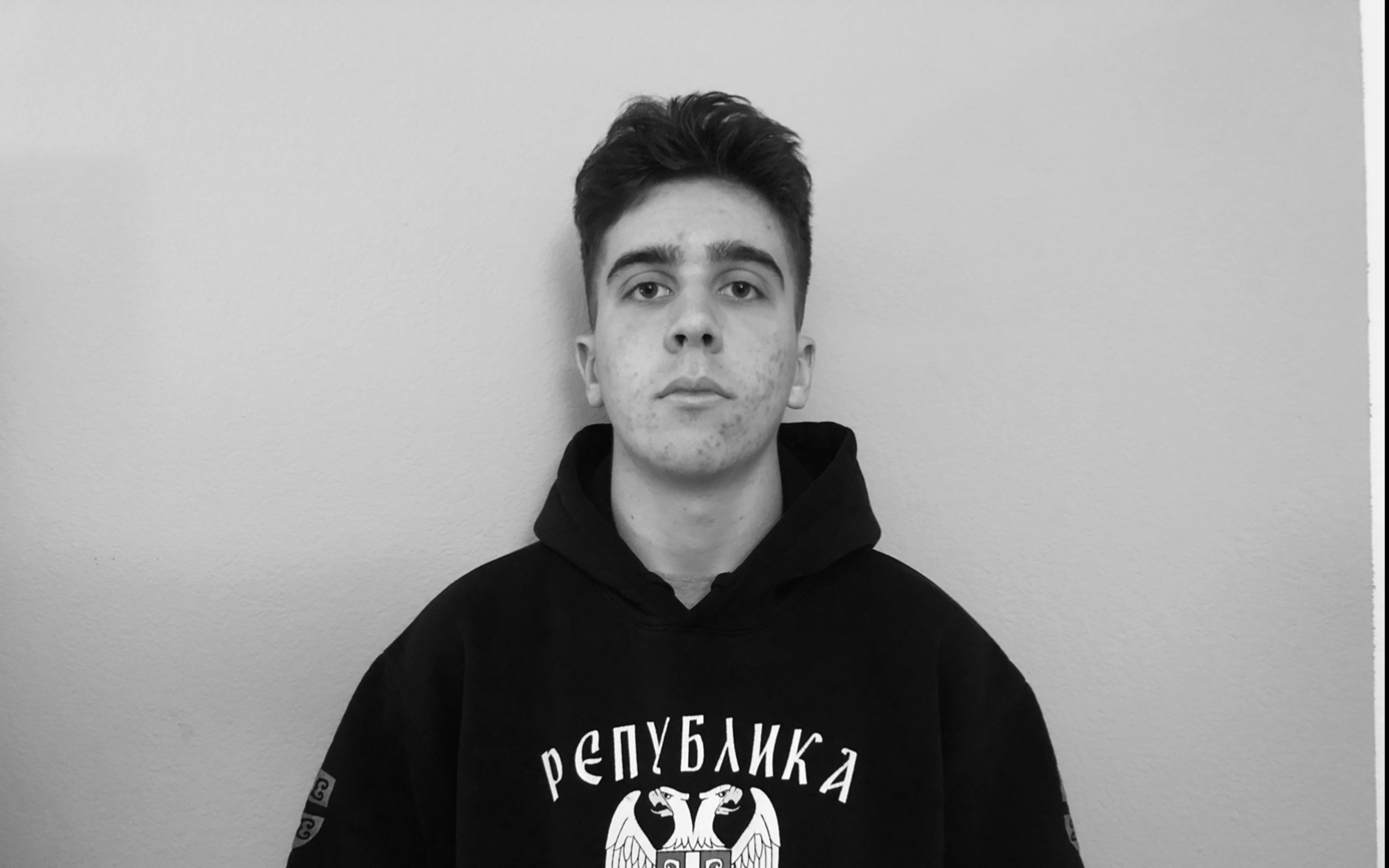
Southwest Career and Technical Academy , Las Vegas, Nevada
"Your son Jumanji was absent today, " my elementary school principal loudly boasted on the answering machine. Having a foreign name in America, like my name, Nemanja, can be isolating and challenging. Many people initially struggle to pronounce my name, often resorting to calling me by my middle name, DJ. I'm content with being called either name, but I used to be ashamed of my first name. However, I've learned that our differences make us unique over time.
Confused and unaware of why my name was a source of humor, elementary school became a lesson in how my name was not honored but made fun of. Before 1st grade, my dad told me that if anyone didn’t know my name, I should just ask them to call me DJ. I never questioned him, thinking it was to avoid mispronunciations. However, one day in class, we had a substitute, and she started to call the roll, shouting, "Nemanja." I raised my hand without a second thought, and a peer beside me said, "What did she call you?" I responded, "Nemanja is my actual name." "Dude, that's so weird," he chuckled, joined by some classmates. I was confused. What was wrong with my name? After this event, some students would chuckle or laugh in my direction whenever my name was mentioned. Rushing home that day, I was agitated and frustrated, shouting at my dad and scolding him with questions such as why he named me this and why he couldn’t have chosen something customary or “normal.” I remember when we went to an amusement park and found mugs with different names. My sister Maya found one quickly, but I couldn’t find mine. Why did my parents give my sister a normal name while I got something different?
The teasing continued until the summer of 6th grade when I went on a trip to Serbia. I visited my cousins for the first time; it was the first time someone besides my close family and friends said my name correctly. Brushing it off, I thought it was because they were family. Over time, I felt fully recognized and accepted as people pronounced my name effortlessly. Explaining the situation to my cousin, he told me that Nemanja has great historical significance in the Serbian region. It gained popularity from the Serbian Grand Prince Stefan Nemanja, who created the Nemanjić dynasty and was venerated as a saint after his death. I realized that my parents didn’t give me this name because it was "different" but because it has a significant significance in Serbian history and connects me to my heritage.
My trip to Serbia reshaped my perspective on my name's significance. Understanding my name entirely led me to stop being insecure about using my actual name, and I began introducing myself with it instead of my middle name. Even though I was made fun of during middle school because of my name, I never let it bother me. Entering freshman year of high school, I realized that people were more inclusive and open to those with different backgrounds. Most people still call me DJ, but if someone asks me how to pronounce my name correctly, I will gladly help them.
The journey of embracing my name has been filled with countless emotions: confusion, sadness, and, eventually, understanding, from elementary school, where I had to muddle through being teased by my peers because of my name, to the life-altering realization of my name's rich historical significance and the value of that significance. Initially, I viewed my name as a source of embarrassment, but now I recognize that it profoundly connects to my culture and identity. This change of perspective has also taught me to recognize and respect others' cultures and heritages. As I continue through high school, my name reminds me that our differences make us who we are, and I’m proud to speak mine, Nemanja.
© Nemanja . All rights reserved. If you are interested in quoting this story, contact the national team and we can put you in touch with the author’s teacher.