We Are America
Defining Myself
By Rachael
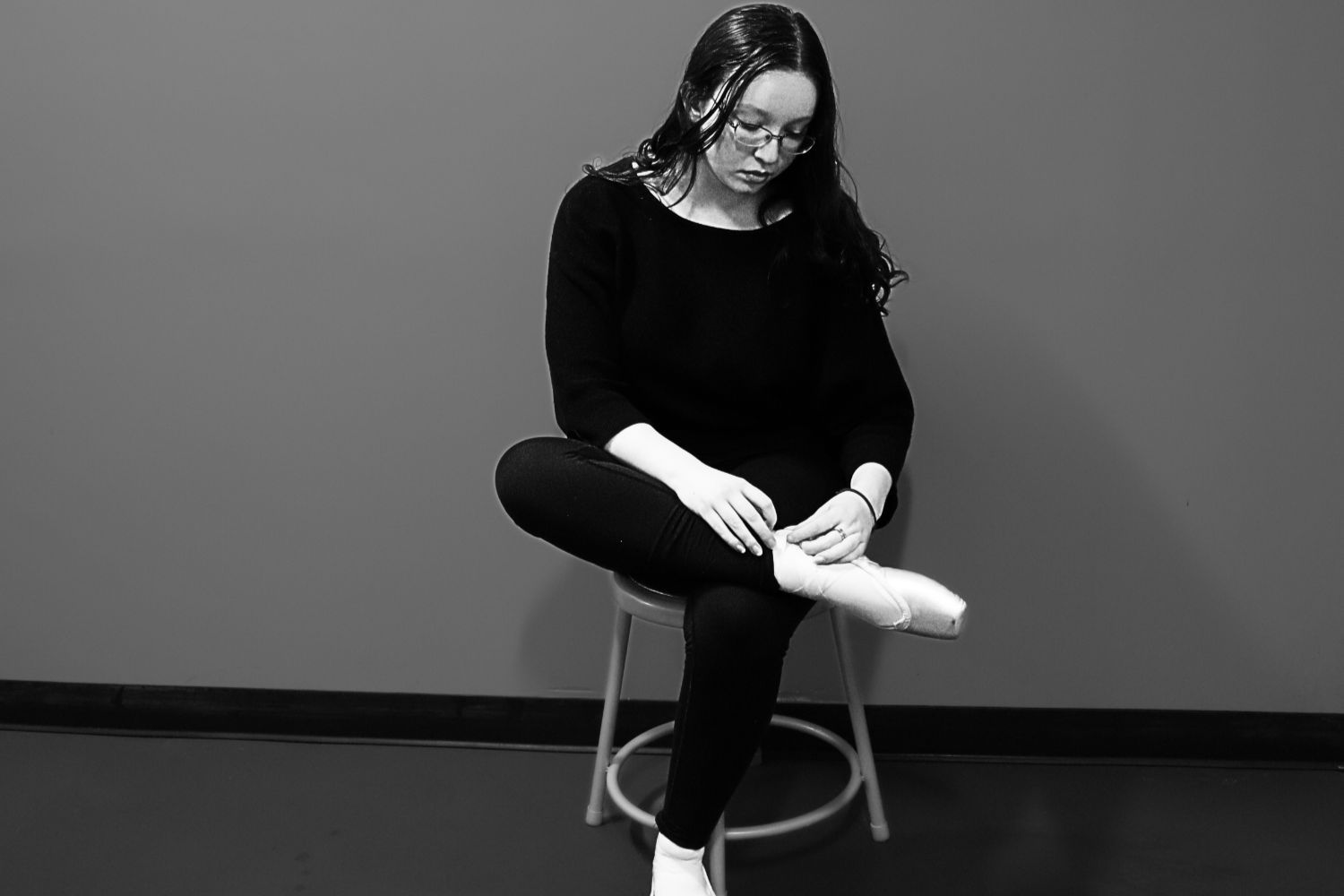
2nd Nature Academy (SNA), Nashua, New Hampshire
Hobbies often play a key role in people’s lives, and they are a large part of their identities. They provide an outlet for different passions and interests—helping people to define themselves and their future goals, often creating long-lasting friendships. But sometimes, a hobby can develop into such a large part of a person’s identity that if unexpected circumstances cause you to quit, it can feel as though you’ve lost a part of yourself.
I started dancing when I was three years old. Twelve years later, I found myself in an increasingly tough mental and physical state, and I had to make the decision to quit. Before then, I had planned to devote my whole life and future to dancing—it had influenced almost every decision I made for quite some time: things like my diet, my schedule, my exercise, and more. My family has also always been so supportive of my passion for dance, especially my mother. She’d put so much time, effort, and money into helping me while I was on that path, and I felt that by quitting, I was throwing all of that away. I didn’t want to be a disappointment to her or anyone else. Quitting the only passion I ever had and something that I’d spent years developing strength for left me without a sense of direction regarding future goals and life in general. I knew that dance had played a large part in my life, but it wasn’t until I quit that I realized just how much time and energy my family and I had dedicated to the sport.
Without a place to channel my passion, I felt lost. I didn’t remember what life was like before I danced; what should I do with my free time? What goals should I pursue? I began to question what my purpose was if I couldn’t physically or mentally handle dancing anymore. How would I define myself now that I wasn’t a dancer? Who was I now that I wasn’t a dancer? I felt as though I was stuck in life. While others around me kept moving forward, mapping out future plans based on their interests, I was stagnant.
Now, it seemed as though what took up most of my time was the sickness I was dealing with. Since that became a regular part of my life, I began to define myself by it. But sickness isn’t something that should turn my whole life upside down. Over time, I began to realize that there’s more to me and my identity than just the health problems I have. I’m still struggling with them, but I can’t let these issues stop me from taking risks. I can’t let them stop me from trying to navigate through life. Without taking risks, I’m never going to grow or move forward.
My mother has taught me many lessons about life, but one of the most important is that it’s okay if I’m unsure who I am right now, and I don’t have to define myself only by a sickness. I’m still in high school, and I don’t have to have everything figured out at this point in my life. There’s not really an end to this story because I haven’t found something that I can define myself by or a passion that equates to how I felt when I was a dancer. I’m still trying to navigate life with sickness and without dance, but I understand a bit more now that my identity is made up of so much more than a sport or a physical ailment. My family and friends, my background and culture, my life experiences, my personality, and so much more make up the vibrant aspects of my American identity. Even if you feel like you’ve lost a part of yourself, there’s still so much more to you.
© Rachael. All rights reserved. If you are interested in quoting this story, contact the national team and we can put you in touch with the author’s teacher.