We Are America
Familial Ties and Difficult Barriers
By Santino
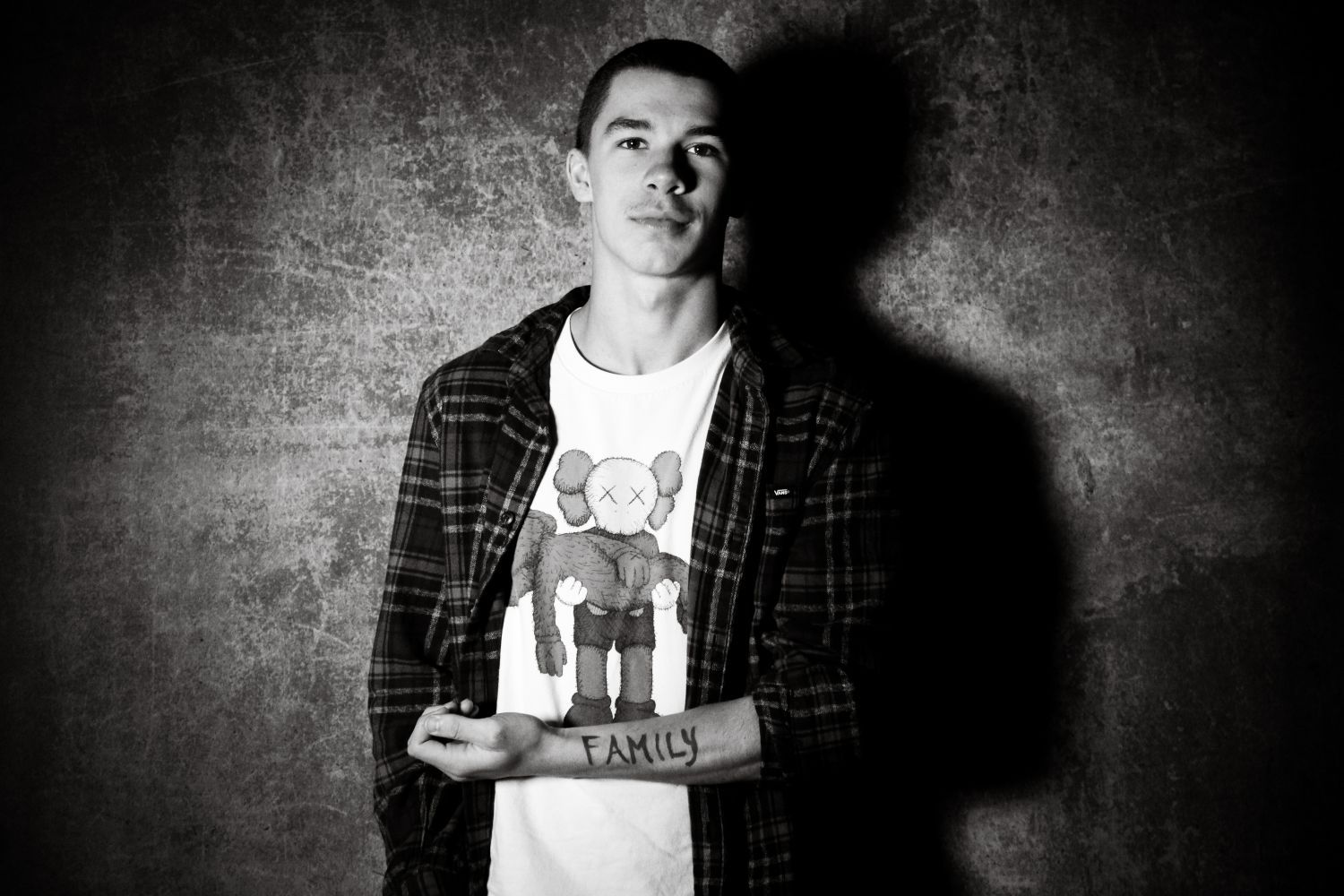
High Point Regional High School, Sussex, New Jersey
My story begins a few weeks before Thanksgiving of 2018. My grandpa, who I call ‘Abuelo,’ informed us that he had to fly out of Newark International Airport to Mexico City to visit his sister. My great Aunt, Tía Hope, was sick. Our family believes strongly in the importance of supporting and helping each other, whenever necessary. Therefore, it was not a surprise that Abuelo went to Mexico as soon as he could. This was not his first time in Mexico. Abuelo was actually born just outside of Mexico City and visited his family whenever he could. However, he moved to New Jersey in 1954 when he was five years old, later married my grandma, and raised his family in the United States. Therefore, this trip was an opportunity to support his sister and to spend time with his family in Mexico that he hadn’t seen in several years.
After two weeks of visiting, he headed to the airport for his scheduled return flight. However, he found that he was not allowed to get on the airplane back to Newark. The United States Border Patrol claimed that there had been a mishap with his travel documents and identification. The issue related to his citizenship status. Abuelo was blocked from entering the United States at the same time that he and my grandmother were supposed to be preparing to host Thanksgiving. This is an important family tradition. Abuelo and Grandma usually invite at least 30 of our close family members to their home. It’s an ambitious undertaking, especially as they age. However, Abuelo couldn’t help with the preparation because he had to navigate the complicated bureaucracy in Mexico City to address his travel issues. Among his different stops, he traveled to the US Embassy in Mexico to try and resolve his situation.
Somehow, Abuelo managed to arrive at our Thanksgiving family gathering at around 8 PM. He walked through the door, wearing a sombrero and brown leather jacket. He was yelling and causing a commotion with a smile on his face as soon as we were reunited. His enthusiasm was reassuring, and I was surprised to hear him address his difficult circumstances in such a positive manner.
After we ate dinner, Abuelo, one of my uncles, my dad, and I talked about his trip. The discussion also shifted to his lifetime experiences. Abuelo shared that his encounter of trying to return to Newark, NJ was very stressful and frightening. He added that although he had fond memories of growing up in Mexico and enjoyed returning, his encounters with the immigration system seemed to taint his love for Mexico in a way that made him sad. This was the moment I realized how flawed the US immigration system is. Abuelo had lived in the United States for most of his life. He served in the US military during the Vietnam War and was stationed in Korea, which shaped a large part of his identity. Still, he faced a multitude of racist comments in the country he calls home.
This discussion troubled me because Abuelo is one of the most patriotic and strong people I know. And yet, he was mistreated by policies of the same governing body he had served for. Our conversation crystallized for me the challenges that immigrants can face in the United States, since Abuelo’s experiences directly affected my family and me. As I spoke to Abuelo and my relatives, I realized how grateful I am for my family members and for everything they have done to provide a better life for me. My family is my priority, and they motivate me to be the best version of myself, especially when it involves overcoming sometimes unnecessarily difficult barriers.
© Santino. All rights reserved. If you are interested in quoting this story, contact the national team and we can put you in touch with the author’s teacher.