We Are America
Freedom And Graduation
By Peyton
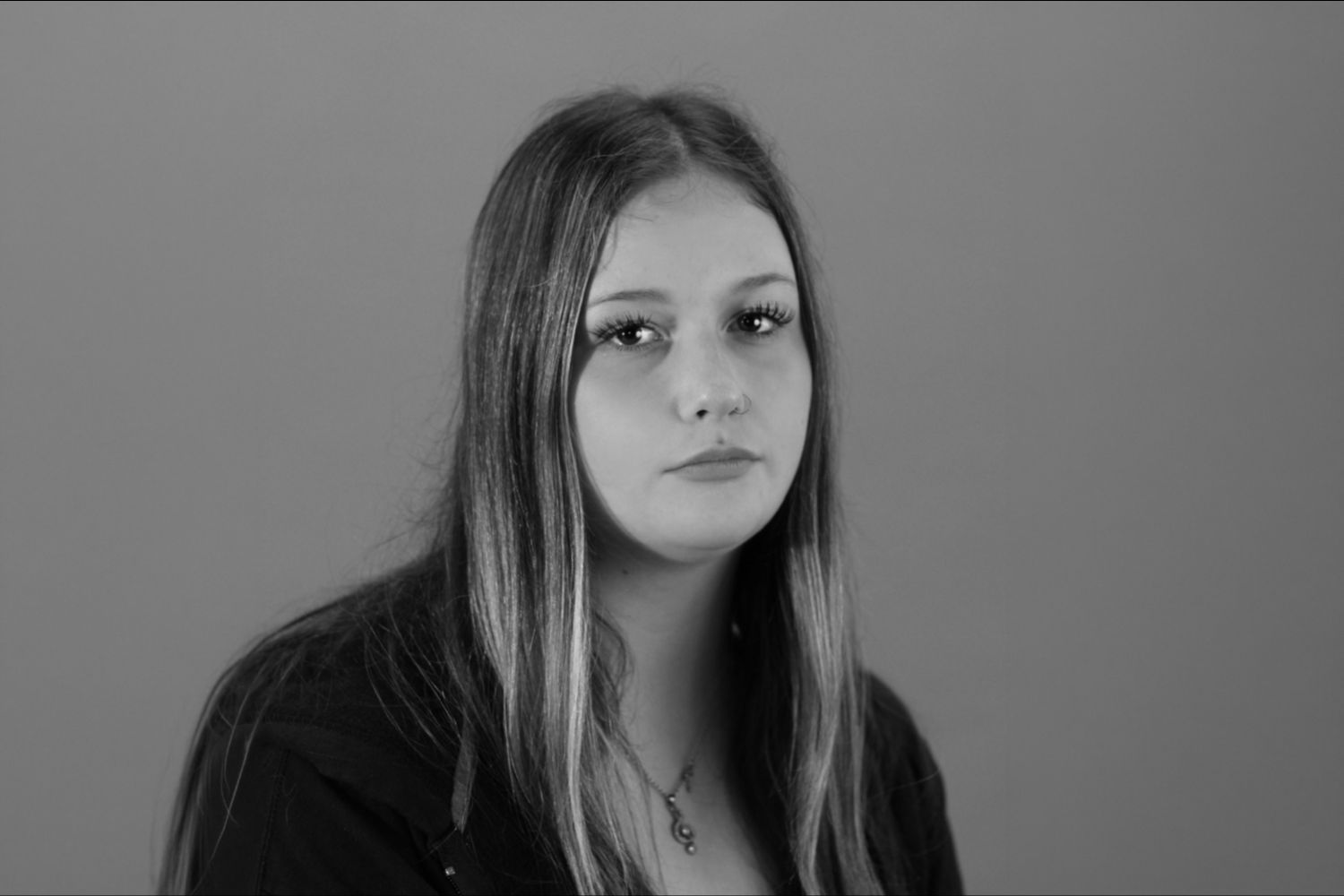
Gig Harbor High School, Gig Harbor, Washington
There was a girl, short and skinny, with beautiful honey blonde hair. I looked down only to realize that her wrists were mutilated, unrecognizable. She stared up at me with a desperate look in her brown, doe eyes as the ambulance took her away, an oxygen mask overtaking her pale, panicked face. Her name was Sophia. I never saw her again.
It was always up to me to comfort girls like Sophia until the ambulance came. I was close to graduation, and one requirement of a “higher-up” in this boarding school was to take care of the girls and the house. It took two years of excruciating torture to get here, and I eventually realized this place wasn’t what it said to be. It was like the matrix. They said they were here to “fix” you, telling you you're troubled and bad, degrading you until you believed you needed fixing. They viewed us as animals. To get out and level up, you had to fit their picture-perfect mold. This wasn’t about mental health; it was a power trip, and there was no escaping. This place did not care about me or the other 49 girls struggling to find the will to live.
I was so close to graduating. I had worked for two years, just for the clinical director to ruin my life for the next eight months. I never did anything wrong. One day after an upper meeting, she told me to stay behind. Once alone, she said things I never thought I would hear: “You're a disappointment, a bad influence, a terrible person.” Then the worst: “You don’t deserve to graduate from this program.” I was devastated.
The next day, I told my therapist. She was furious. She couldn’t believe the clinical director had said those things or acted so unprofessionally. Soon, my therapist had more news from their therapist meetings. The director had shared fabricated stories about me to the entire clinical team, trying to drop me from my higher-up status and block my graduation.
I broke down on my knees. I couldn’t believe I had endured all this trauma and abuse just for her to ruin everything because of a personal vendetta.I started staying up at night for meetings with my therapist, the second clinical director, and her. I’d be crying the whole time, listening to her manipulate everyone and talk about me horribly. The second director was supposed to back me up, but instead he suggested that a few more months could “benefit” me. I wasn’t surprised. My therapist and I knew it was unjust. So did everyone else besides those who could actually do something.
My parents were irate. During a 1 a.m. meeting, we called them on Zoom. They said they were pulling me out. I cried tears of joy. But the program owner manipulated my parents into making me stay until I graduated. I realized I was being forced to graduate to make the owner look good.
After eight months of fighting with her, she gave in. I was officially allowed to graduate and go home. I thought I would be happy, but I wasn’t. I was glad to go home, but when I finally left, I realized that nothing they claimed to give me was ever theirs to own. My healing did not come from their hierarchy, their titles, or their cruelty disguised as care. It came from endurance, from truth, and from refusing to disappear. Sophia’s face, and the faces of so many girls like her, stay with me as a reminder that survival should never require silence. In a country that promises freedom, dignity, and opportunity, my story is a testament to claiming those rights for myself. I carry what I lived through not as proof of their success, but as evidence of my own, and as a promise to speak where others were taught to stay quiet.
© Peyton. All rights reserved. If you are interested in quoting this story, contact the national team and we can put you in touch with the author’s teacher.