We Are America
Girlhood
By Tris
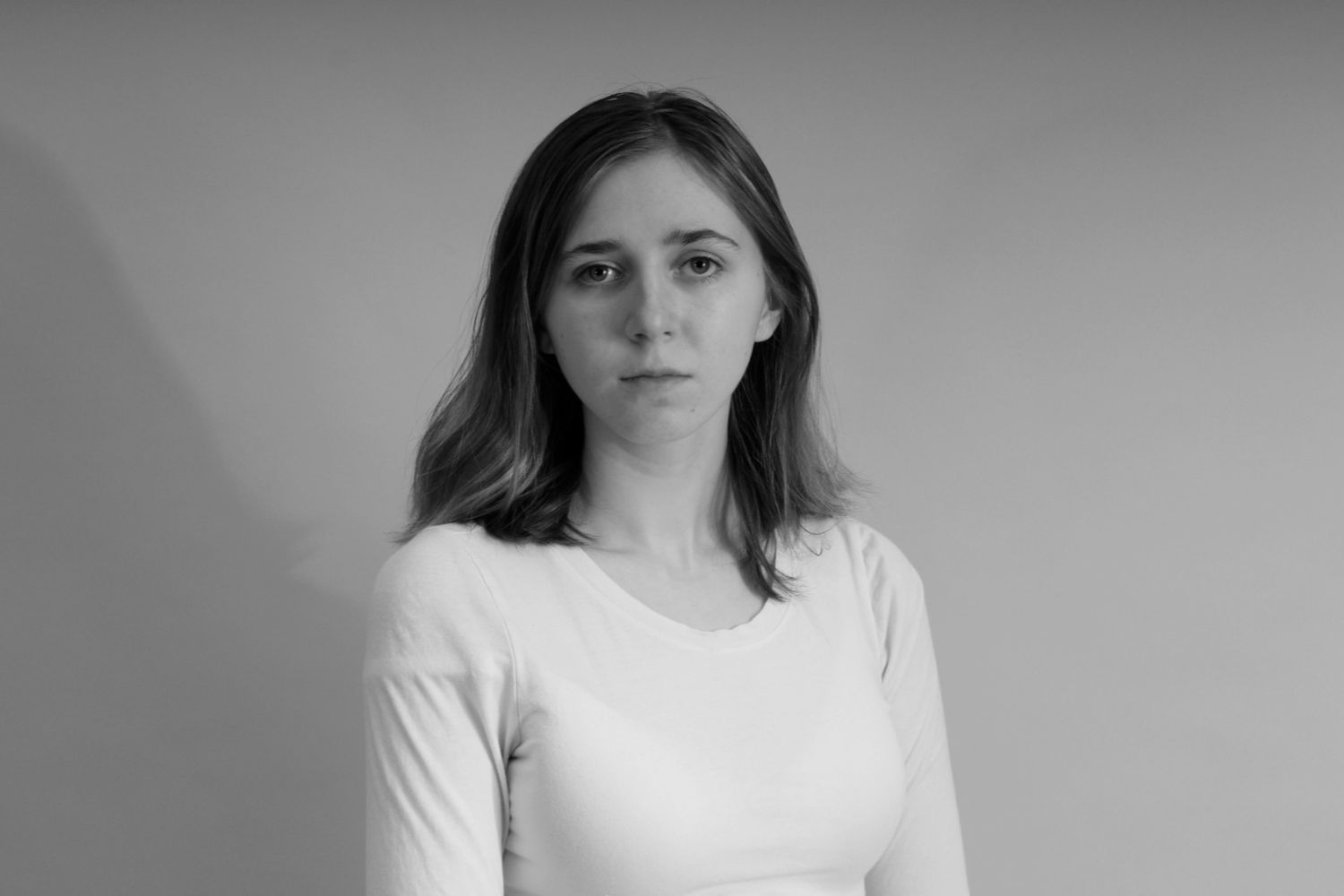
Appomattox Regional Governor's School for the Arts and Technology, Petersburg, Virginia
For private school kids in their preteens, Saturday evenings mean stuffing yourself in the fanciest dress possible as you prepare for Cotillion. We all pile into a musty ballroom and listen to a woman relieve her glory days as she teaches us a COVID-compliant foxtrot. Nobody cares about the actual dancing part; the only reason we put up with it is for the elaborate afterparties in somebody’s backyard. After suffering through the main event, my friends and I claim a section of lawn. A hundred of us are clumped around in groups, all weighed down in mountains of soft pink tulle.
Well, not all. I’m wearing pants.
The outfit’s beautiful, honestly: a pair of silky black pants blooming out at the calf and a wrapped red shirt that ties around my waist. It also marks me as the only girl in the entire backyard not wearing a dress. Its reason is symbolic. I want this difference to mark me as other. I know I am not the kind of girl who readily embraces any part of these cotillions, with their sugar-sweet smiles as they whisper something snide while they pass. And objectively, I know this is not the only option of ‘girl,’ but I’ve spent my whole life in private school with most of my social development stunted by COVID. All I really know is this school and its version of girlhood. When you grow up around only one kind of girl and it’s not you, you must not be ‘girl’ at all.
Currently, I bracket myself in 'she/they,' and though I have not told them, I know others sense something is off in the pants among a sea of dresses. To them, queerness and otherness are one and the same, meaning something to make snide comments at until it goes away.
This manifests itself as a girl I barely recognize, Annie-something, giggling her way over. She tilts her head at me, popping out one hip Regina George-style like a movie bully. “You know girls are supposed to wear dresses, right? It’s in the dresscode.”
I try to look disinterested. “They didn’t kick me out. Why’s it your problem?”
She follows the blueprint perfectly: weird comment, ignore me, invasive question, flounce away. “So, like, are you a ‘they’ now?”
“What?” I’m expecting another lesbian accusation, but not this.
“Someone told me you’re not a girl anymore.” Annie responds as if I’m the idiot, and the softness of my identity laid so harshly makes me cringe.
I stare at this girl, this teen movie stereotype, and I hate her. I hate her because she gets to be ‘girl’ and I don’t, because she’s so frivolous with a girlhood people like her forced me out of that I pretend I didn’t miss. I’d love to wear a dress again, all light and airy and feminine. But this is a luxury I’m not allowed, because I’m not 'girl,' because I’m not like her.
And suddenly I feel petulant. Why does she get girlhood? Can’t she share? Why can’t I let myself share with her? I shouldn’t be forced away from girlhood because Annie and her friends decided I’m different. Different shouldn’t mean other, and other shouldn’t mean not. And who says she gets to decide what different means? It’s my identity, my girlhood, and I decide different does not mean me.
So instead I smile at her, and my back straightens as I release a label I now realize never had to be mine. I’m not this type of girl, but I’m still girl all the same.
“I love your dress,” I comment instead, and it’s genuine, because this is what my girlhood’s about. My girlhood is silk black pants and smiling at people I hate, dresses or pants whenever I want. It’s completely different from hers, but I have it back, and it’ll never be taken away.
© Tris. All rights reserved. If you are interested in quoting this story, contact the national team and we can put you in touch with the author’s teacher.