We Are America
Held Together
By Mimi
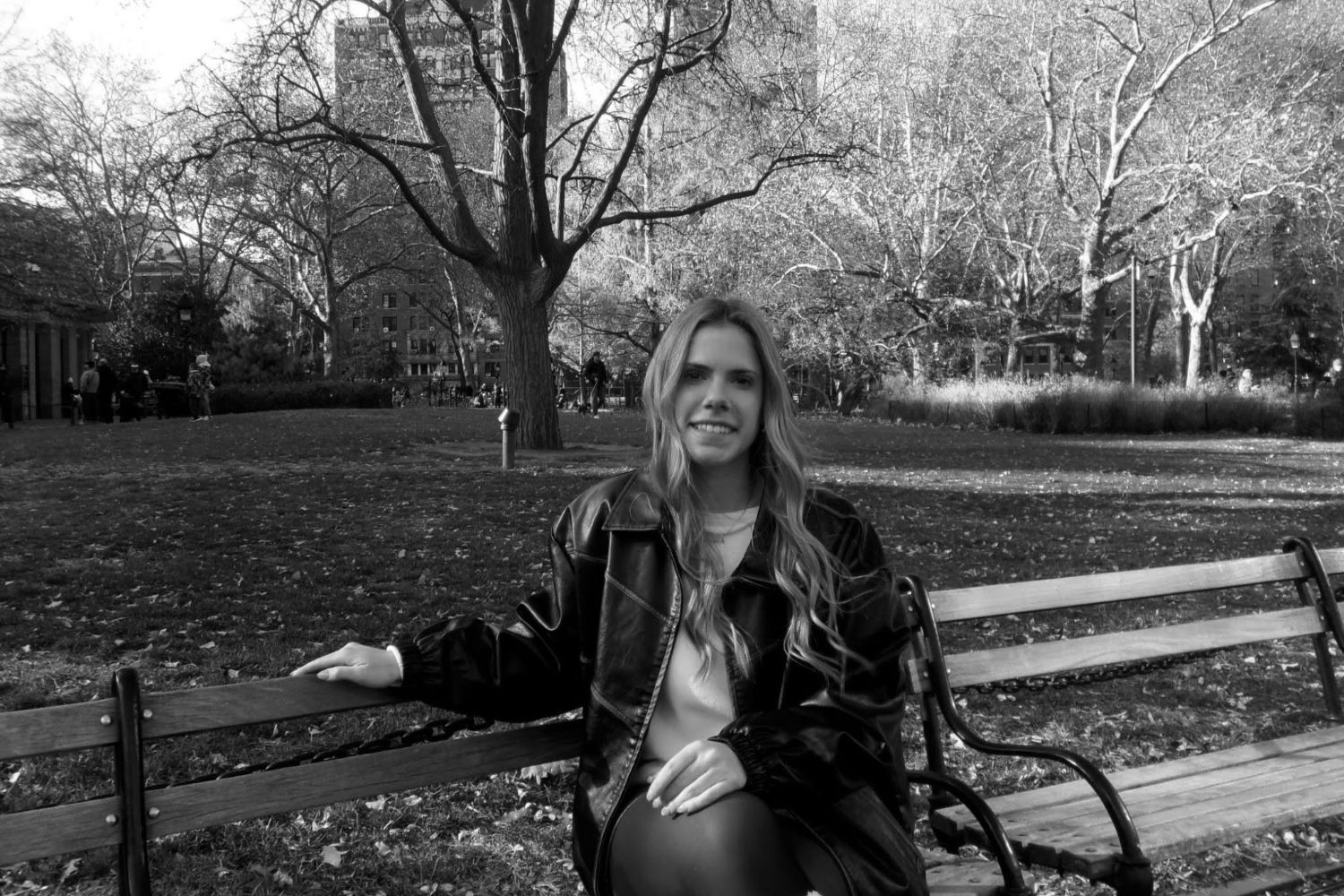
Gig Harbor High School, Gig Harbor, Washington
“What do you mean you aren’t coming to Thanksgiving?”
The words slipped out before I could stop them. A familiar lump formed in my throat, my vision blurred, and my knee bounced in tune with my racing heart. My mom paused before answering, her voice careful and quiet. She told me that this year would be different, but that we would still celebrate. I nodded, pretending to understand, even though I didn’t.
I was in second grade when my grandma first sat me down, her hands folded tightly in her lap. “Your dad has been in an accident,” she said softly. “He won’t be coming home for a while.” At eight years old, I brushed it off. My dad had gone on plenty of work trips before. Surely this was just another one. What she didn’t tell me then was that he had suffered a cardiac arrest while out on a run, collapsed onto the sidewalk, and hit his head. He couldn’t walk, stand, or even breathe on his own. The hardest part, though, was his memory—some things stayed, but many disappeared, including pieces of the life we had shared.
My grandparents had flown in from Salt Lake City to watch my older sister and me for what was supposed to be a short visit. After the accident, that visit stretched on. They became our anchors. They drove us to school every morning, reminded us to brush our teeth, helped us FaceTime our parents from hospital rooms hundreds of miles away, and insisted I finish my green vegetables no matter how much I protested. They kept our lives moving when everything else felt frozen.
When Thanksgiving arrived and my parents still couldn’t come home, I felt crushed. My grandparents knew it, even before I said anything. My granddad made a few phone calls, and suddenly our house filled with people. Our family friend Pete Stone showed up with stacks of card games. My dad’s coworker Darcy—who I called Aunt Darcy—joined us at the table. As we played Speed, Old Maid, and Uno, my grandma cooked every traditional dish she could manage. Mashed potatoes, gravy, green beans, and pie crowded the table, along with laughter so loud I almost forgot about the two empty seats across from me.
In the weeks after, my grandparents returned to Utah, and my Aunt Steph flew in from Tennessee to take their place. Around the same time, my dad was transferred from Walter Reed in Maryland to Audie L. Murphy Memorial Veterans Hospital in Texas. There, my parents’ longtime friend Troy Johnson stepped in, opening his home to my mom and giving her a place to rest when everything felt overwhelming. Doctors and nurses treated my dad with patience and kindness, explaining things slowly, remembering our names, and reminding us that healing wasn’t a straight line.
Back home, my Aunt Steph transformed our house for Christmas. Lights wrapped the staircase, garland lined every railing, and the tree glowed so brightly it chased away the shadows—except for the two empty stockings labeled “Larry” and “Colleen.”
When my mom finally came home for Christmas, word of my dad’s accident had spread throughout our community. My teacher extended homework deadlines without being asked. Friends’ parents offered rides and playdates. Neighbors dropped off meals like lasagna, soup, and casserole, each one a quiet reminder that we were being looked after.
At eight years old, I didn’t fully understand what had happened to my dad. But I understood this: we were never alone. In hindsight, that is what taught me what it means to be American. Not just a country or a title, but a practice. A willingness to step in, to stay, and to hold others up when they can’t stand on their own.
© Mimi. All rights reserved. If you are interested in quoting this story, contact the national team and we can put you in touch with the author’s teacher.