We Are America
I Am Sick Forever
By Kylie
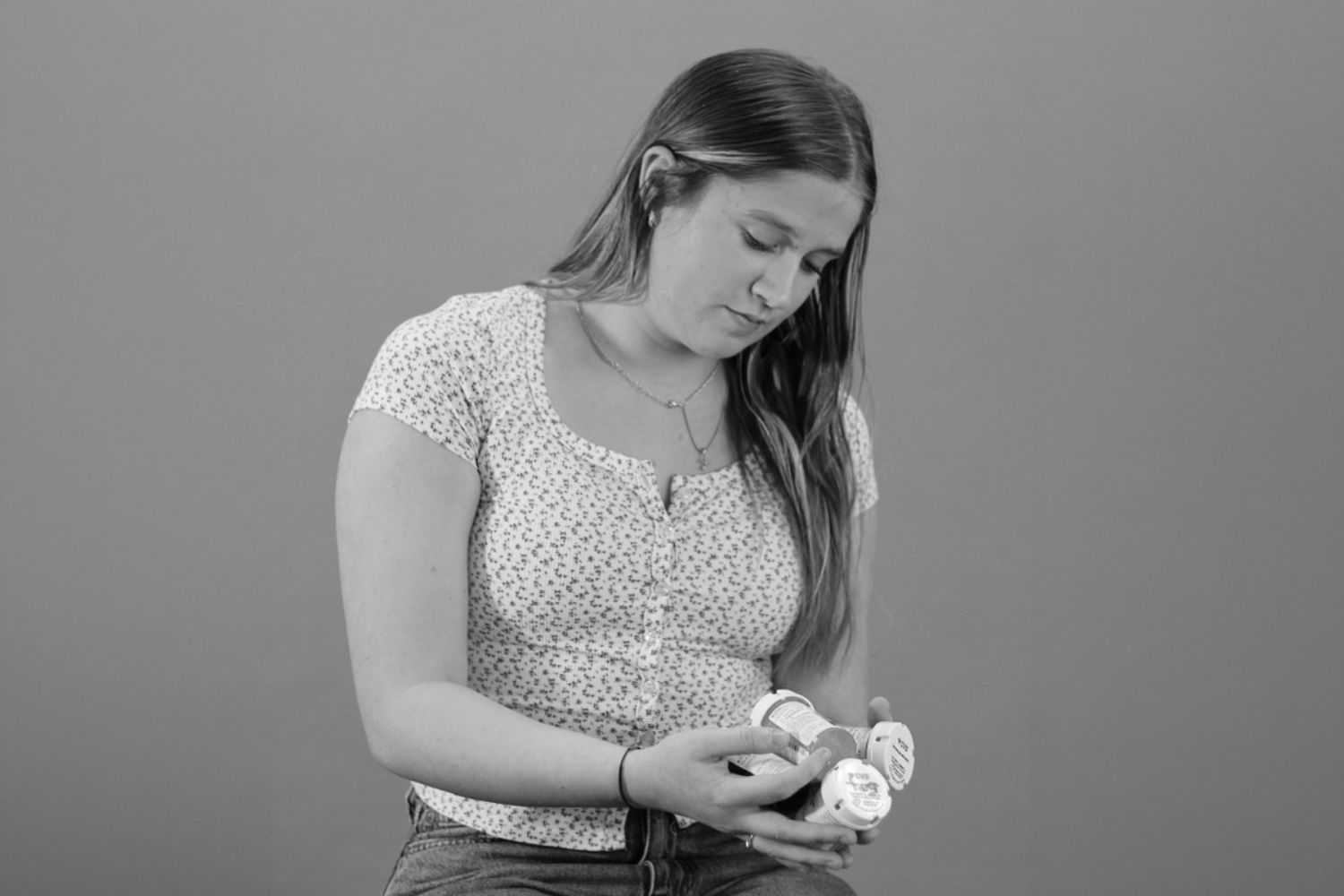
Gig Harbor High School, Gig Harbor, Washington
I was in the worst pain I had ever felt. I woke up for school, and I really thought this was it. I’m dying. My body felt like I had gone through a seventeen-hour surgery, and the pounding in my head wouldn’t stop. The worst-case scenarios were running through my mind, tumors, cancer, anything that could explain how sick I felt. I planned to go back to bed and try to sleep it off like any other cold, but I needed to use the restroom first like I did every morning. I stood up then - black. Eyes open. On the floor. Did I just pass out? I woke up after passing out again and started sobbing. By the time I reached Urgent Care, they sent me straight to the ER, assuming I was severely dehydrated. I went home to rest for ten days, but the passing out continued. I didn’t realize it then, but that morning marked the beginning of my new life.
All I wanted, as a teenage girl, was to understand what was happening inside me. I was missing so much school that I had to switch two classes online and drop two others. I felt completely alone. I lost friends, some thought I was faking it for attention. At that point, I had only my family and a couple of friends who truly stayed with me through everything. I switched high schools to get a chance at a fresh start. For the first time in a long time, I felt like I was gaining some control. I had a full junior-year schedule and friends who understood my situation. I had accepted my new life, even if no one could tell me what was causing it. My life morphed into tests, waiting rooms, and uncertainty. Every test my doctors ran came back “normal.” They ruled out the big stuff, like seizures or epilepsy which was the best and the worst news I could receive. So they decided, with all their medical degrees, it was just anxiety. We did not accept this.
After more than a year of uncertainty, everything changed in April of this year when my third specialist finally confirmed what I had: Postural Orthostatic Tachycardia Syndrome (POTS). Hearing the diagnosis felt like winning the Super Bowl. At least it wasn’t cancer, I could manage this. I started adjusting my life. I tracked how many times I passed out each day, increased my salt intake, and focused on staying hydrated. I learned my biggest triggers: lack of sleep and over heat. On weekends, I could go out with my friends, but on weekdays, I had to be careful about where I spent my energy. Over time, I’ve gotten better at managing my energy. Sometimes it means missing social events, but I’m learning to balance. I’ve gained deep respect for people with chronic disabilities. It’s hard knowing this is forever and even harder explaining it to friends, teachers, or anyone in my life.
Something I wasn’t prepared for was the cost. Every ER visit, specialist appointment, lab test, scan, and follow-up drained my family’s finances and my energy. Even with insurance, all the costs weren’t covered. Being sick is hard on its own, but being sick in the United States, without universal healthcare, adds a weight no teenager should have to worry about.
Looking back, that horrible morning wasn’t just the start of my illness. It was the beginning of discovering my resilience. Living with POTS has tested me in every way, but it has also taught me patience, compassion, and how to listen to my body. My illness has shaped me, but it doesn’t define who I am. The strength I found through it does. This journey has taught me that the American experience is not always triumphant, but it is deeply resilient.
© Kylie. All rights reserved. If you are interested in quoting this story, contact the national team and we can put you in touch with the author’s teacher.