We Are America
My Mother and I
By Tallulah
Appomattox Regional Governor's School for the Arts and Technology, Petersburg, Virginia
Sometimes, when I close my eyes because holding them open is too taxing, I see my mother’s face. Specifically, I see her face from the numerous times I’ve come into her bathroom to talk to her while she’s getting ready for bed. I see the lines kissed into her skin from living and how they draw perfect shadows on her face when she smiles. I can feel her fingertips on skin from when she gathered my hair in front of my shoulders to hook my necklace. And sometimes, I can feel the ache in my heart that I get when I think about how I truly am her daughter in every aspect of the word.
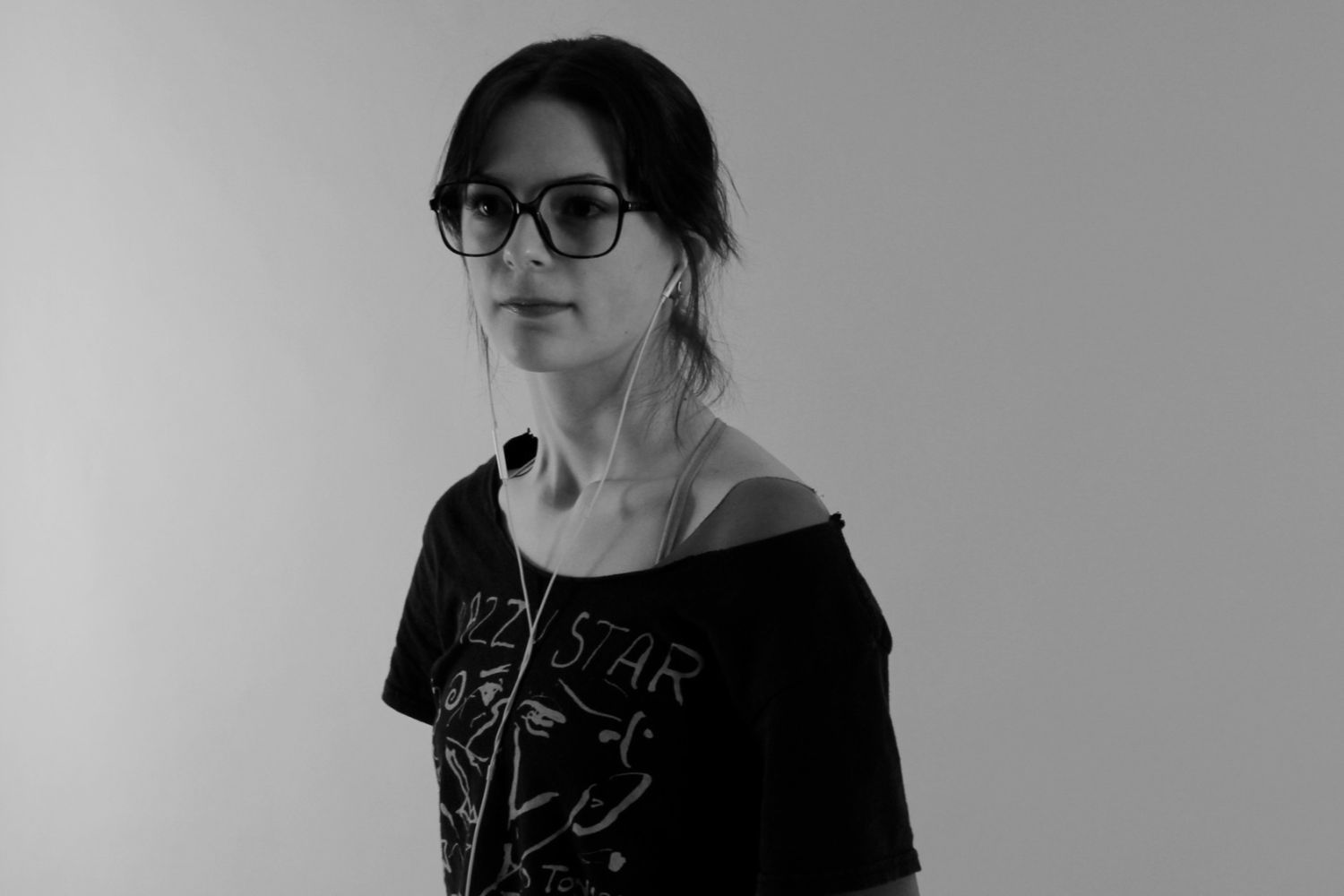
I was diagnosed with attention deficit hyperactivity disorder (ADHD) when I was 11, as well as severe clinical anxiety and clinical depression. I sat next to my mother in the psychiatrist’s office some months after being tested to talk with him. His voice was loud and made me want to put my earbuds in. Not to play music, just to soften the blow of his syllables. “Now Tallulah, in life, everyone has to climb this imaginary mountain. And you gotta climb the same exact mountain as everyone else, Tallulah, but you gotta do it with a backpack full of rocks.”
I didn’t like how he said my name. It was clear he was making sure he said at least one thing directly to me, because he mostly just talked to my mother about how my brain was messed up while I sat on my hands in the chair next to her. Like I wasn’t even there. His office was cold, and he kept clicking his pen, and I couldn’t stop the three seconds of the song that was playing on the radio earlier from looping in my head, so I wasn’t listening to him very hard anyway. I think he was saying something about “sensory issues” and “executive dysfunctioning." My mother’s face was abnormally unreadable, so I wasn’t able to guess what she was thinking like I normally do.
In the past six years, I’ve learned more about what my diagnoses feel and look like for me. When I was 11, I didn’t realize how unfair it was that my backpack had been filled with rocks and was pulling down on my shoulders a bit too hard. I didn’t fully understand how unfair it is until I was 16 and in my mother’s arms, my face tear-stained with self-hatred for not being able to function like my peers. And yet, I knew that I had anxiety since I was six and threw up all over the pool deck at swim practice because I convinced myself my swim coach hated me; since I was seven and had bouts of nausea and panic attacks that were fueled by timed math problem pages; since I was eight and cried myself to sleep in the infirmary at sleepaway camp because I was so worried that something was going to happen to my parents while I was gone; and in the billions of other instances where my anxiety ruled my life.
Sometimes, when I close my eyes to the lullaby of the tv, I see my mother’s face. I see her eyes, blue and striking but soft. I can feel her unpainted nails grazing my scalp like they did when I was little. I see her abnormally unreadable expression from the doctor’s office. I see the strength, the anxiety, the empathy, the pain, and the resilience that she passed down to me. I feel the smoothed ridges of her fingerprints, and I remember how my mother will always be there to lift a few rocks out of my backpack and remind me how I truly am her daughter in every aspect of the word.
© Tallulah. All rights reserved. If you are interested in quoting this story, contact the national team and we can put you in touch with the author’s teacher.