We Are America
The Missing Piece
By Ella
Southwest Career and Technical Academy , Las Vegas, Nevada
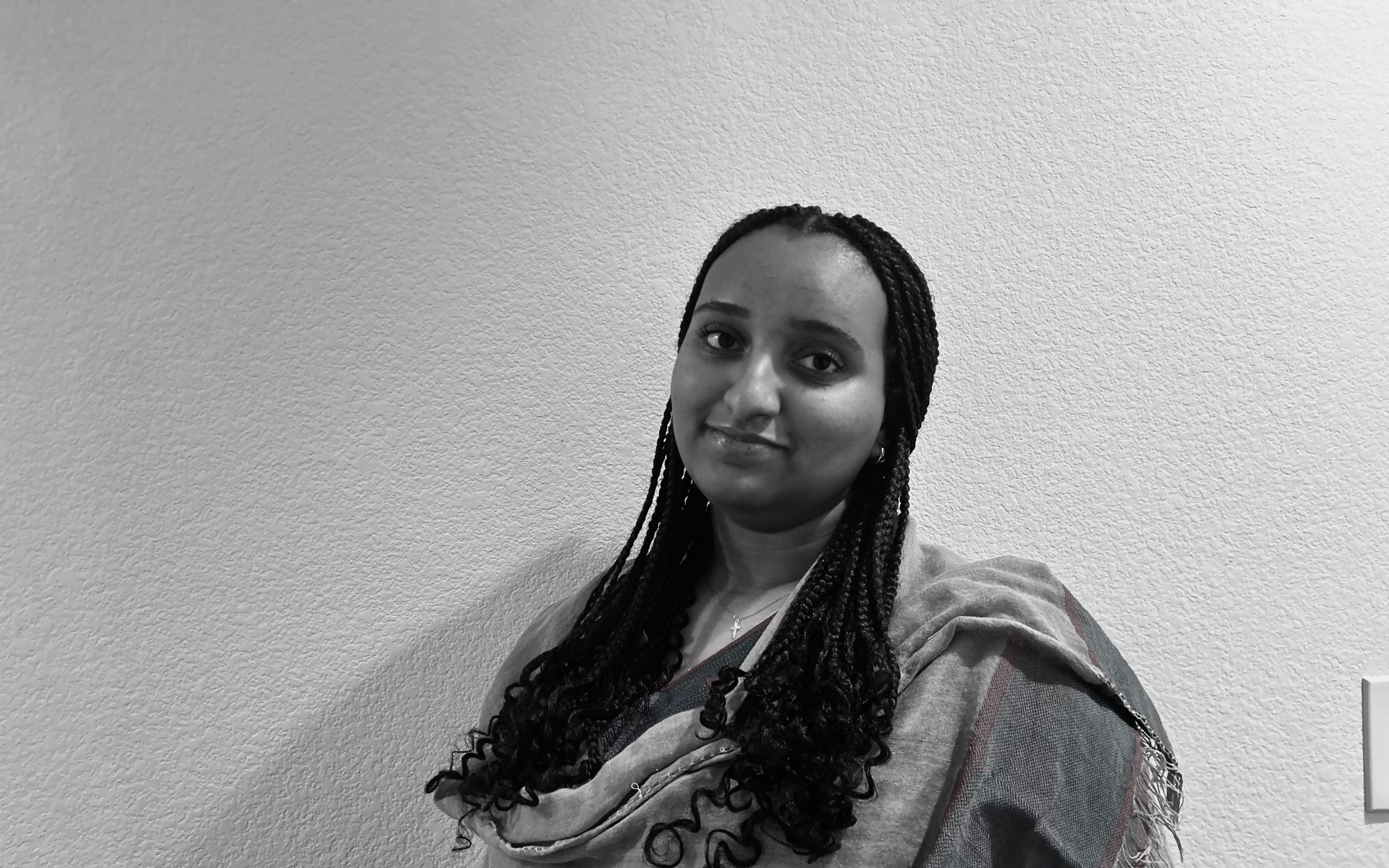
Throughout my life, I’ve felt as though I was “not cultured enough” or “not American enough,” leaving me feeling inadequate. I grew up Ethiopian in America and often felt like I didn't fully belong to either culture. Most of my family immigrated to America from Ethiopia; however, I was one of the few born here in the States. To many of them, I was the American of the family. At the same time, the lack of people who looked like me at the schools I attended made me long to fit in. I didn't speak Amharic, the official language of Ethiopia. I avoided wearing my natural curly hair and begged my mother to take me to the salon to straighten it. Desperately trying my hardest to fit into American culture led me to diminish my Ethiopian culture. When I started middle school, I began to experience an identity crisis. I tried to be someone I wasn't, and I was ashamed of my culture. In 8th grade, I was tasked with a research project in my history and geography class. Little did I know that this project would catalyze my journey of discovering my cultural identity.
My teacher instructed us to choose any country in the eastern hemisphere and design a poster board about its culture, traditions, clothing, food, and geography. I was thrilled about this project when I heard about it because I loved making posters and presentations in my classes. I eventually decided to do my project about my home country of Ethiopia and wasted no time diving into research. During the research process, I learned more than I could imagine about my culture and Ethiopia's history. I became more and more curious about my cultural heritage. I asked my parents about what Ethiopia was like, researched Ethiopian culture, and even began learning more about Amharic. The summer after 8th grade, my father taught me the Ethiopian alphabet, and I began to learn how to read and write in Amharic for the first time. That summer began a tradition for me and my sister to brush up on our Amharic skills every year when we were out of school for the break.
Learning about my culture through this project opened my eyes and taught me what being Ethiopian means. It taught me the importance of embracing my cultural heritage. I began to wear my natural curly hair more, wasn't ashamed to wear my traditional Ethiopian clothing anymore, and felt more comfortable showing my culture. Embracing my culture was freeing for me. I felt more like myself and more connected to my culture than ever before.
My newfound connection to my cultural background brought me closer to my roots and gave me a new sense of identity and self-awareness. It was as though I found the missing piece to the puzzle of my identity. The identity crisis I had felt throughout middle school began to fade away. Growing up trying so hard to fit in, I realized I wasn't being my true self. Now, I understand the importance of owning my cultural heritage. Instead of trying to conform to American societal standards, I choose to embrace my culture. I know that my culture isn't something I should be ashamed of but something I should be proud of.
Learning to embrace my culture and traditions taught me the importance of keeping a deep cultural identity in America. As people of different cultures assimilate into America, society often leads them to leave behind their traditions, language, and culture. Although many people are not told this directly, we often feel we don't fully belong when we show and appreciate our culture. It's an unspoken and implied feeling. We are taught to melt into the melting pot of America; in this process, we lose our uniqueness and our culture. Embracing and appreciating our culture keeps us who we are; we should never abandon that.
© Ella . All rights reserved. If you are interested in quoting this story, contact the national team and we can put you in touch with the author’s teacher.