We Are America
Two Halves of Who I am
By Zia
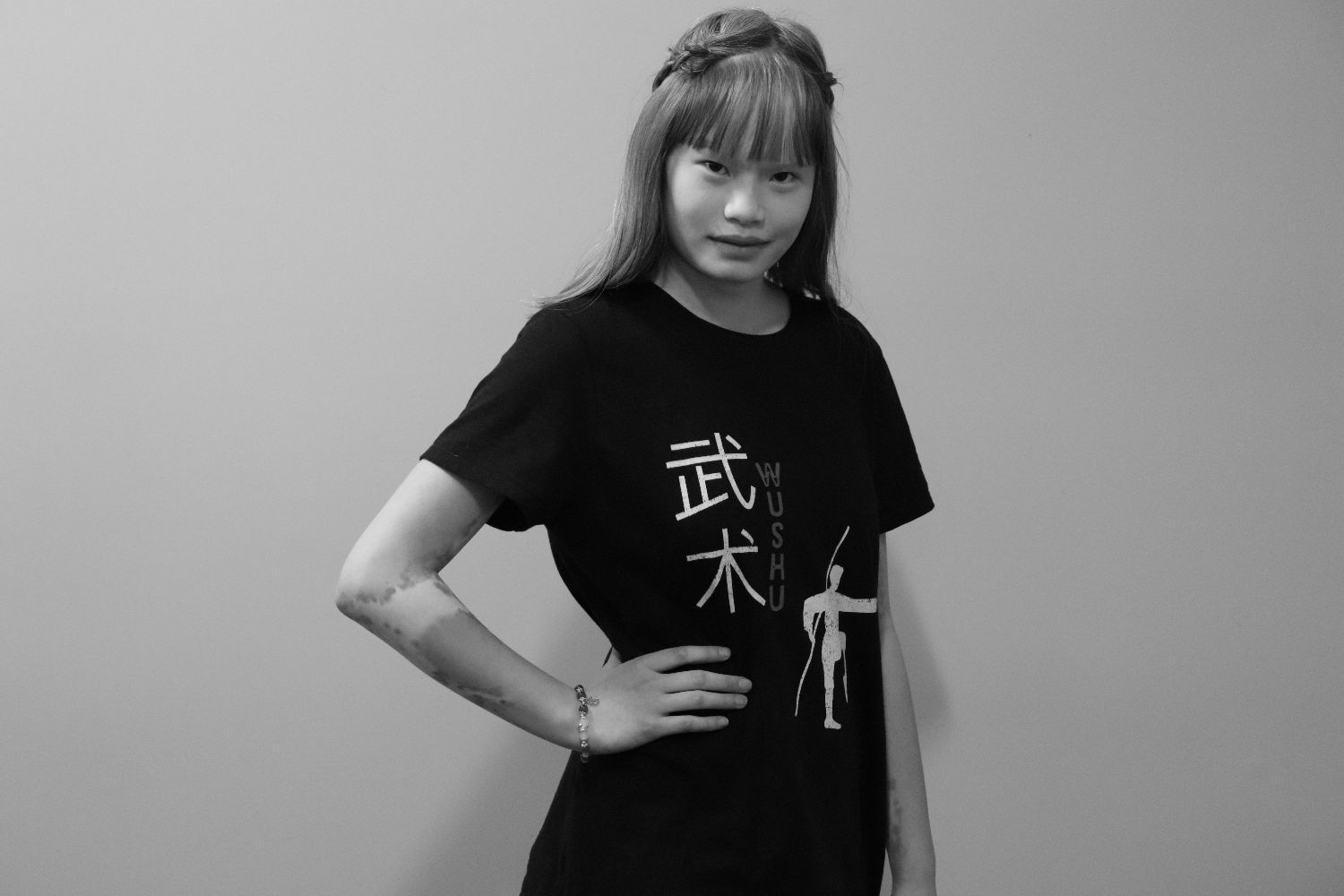
2nd Nature Academy (SNA), Nashua, New Hampshire
I have lived in America since I was about a year and a half old. I am originally from China, but I was adopted and grew up here in the states. I am what some people call a “China-adoptee.” “Adoptee” is basically a nickname for people who are born in a different family but adopted into another. In my early childhood, I had no real connection to my Chinese heritage for years. I took a very beginner-level Mandarin-Chinese class when I was around five or six, but I stopped taking the class around the age of seven or eight and forgot a lot of the things I was taught.
However, when I was eleven years old, my mother suggested that I start taking classes again. At first, I was a bit disinterested and rebelled against the idea. I didn’t think I would enjoy it or that it would just be too much for me, but I am so thankful that both my parents encouraged me to take that first step. I found out that I actually really enjoyed learning Mandarin, and I was fascinated by the elements that go into learning a second language. I turned out to be a very fast learner, even though I didn’t even speak any Mandarin at home.
About five or six months later, I joined a Wǔshù (武术) academy. Wǔshù is a traditional Chinese form of Kung Fu. I continued to learn Mandarin while taking Wǔshù classes, and eventually I was able to communicate a bit with my coaches in English and Chinese. I got to meet other Chinese-American kids like me as well. Taking Mandarin classes gave me knowledge of the Chinese language, while Wǔshù introduced me to the culture. I ended up having a lot of passion for learning Mandarin and a lot of respect for Chinese culture.
But as always, there was a bit of a struggle that came with it, too. Once I was immersed in the culture, there were some downsides. Since I hadn’t grown up speaking Mandarin like the other kids on my Wǔshù team, it affected how much I could communicate with others. I didn’t know a lot of conversational phrases yet. The way I spoke, and even my slight accent, affected my language skills too. I often ended up comparing myself to native speakers, and I felt left out and different. I still sometimes wish I had learned the language and joined the team when I was a little younger. Also, due to my age, a lot of kids on the team and even some of the coaches suggested that I might not be young enough to join. They would suggest that it would be hard for me to catch up since I was a lot older to start and all the kids my age had been doing Wǔshù since they were very young.
I was stuck at this point in my life. I was in between discovering my Chinese identity while struggling with my American identity as well. I admired these other kids in this community I was now a part of, and I didn’t want to stick out like a sore thumb. I began to try to change pieces of myself because I believed I’d look better and would blend in with the rest of my team more. I even hid my real background and self from them instead of letting who I really am shine. These struggles ended up teaching me important things. I am thirteen now, and after a while, I accepted the fact that yes, I am very different from other Chinese kids and even American kids, and I should be proud of that instead of choosing to hide it away. There are many parts that go into who I am, and I will be forever proud that I am an Asian-American.
© Zia. All rights reserved. If you are interested in quoting this story, contact the national team and we can put you in touch with the author’s teacher.