We Are America
We Are All One
By Eden
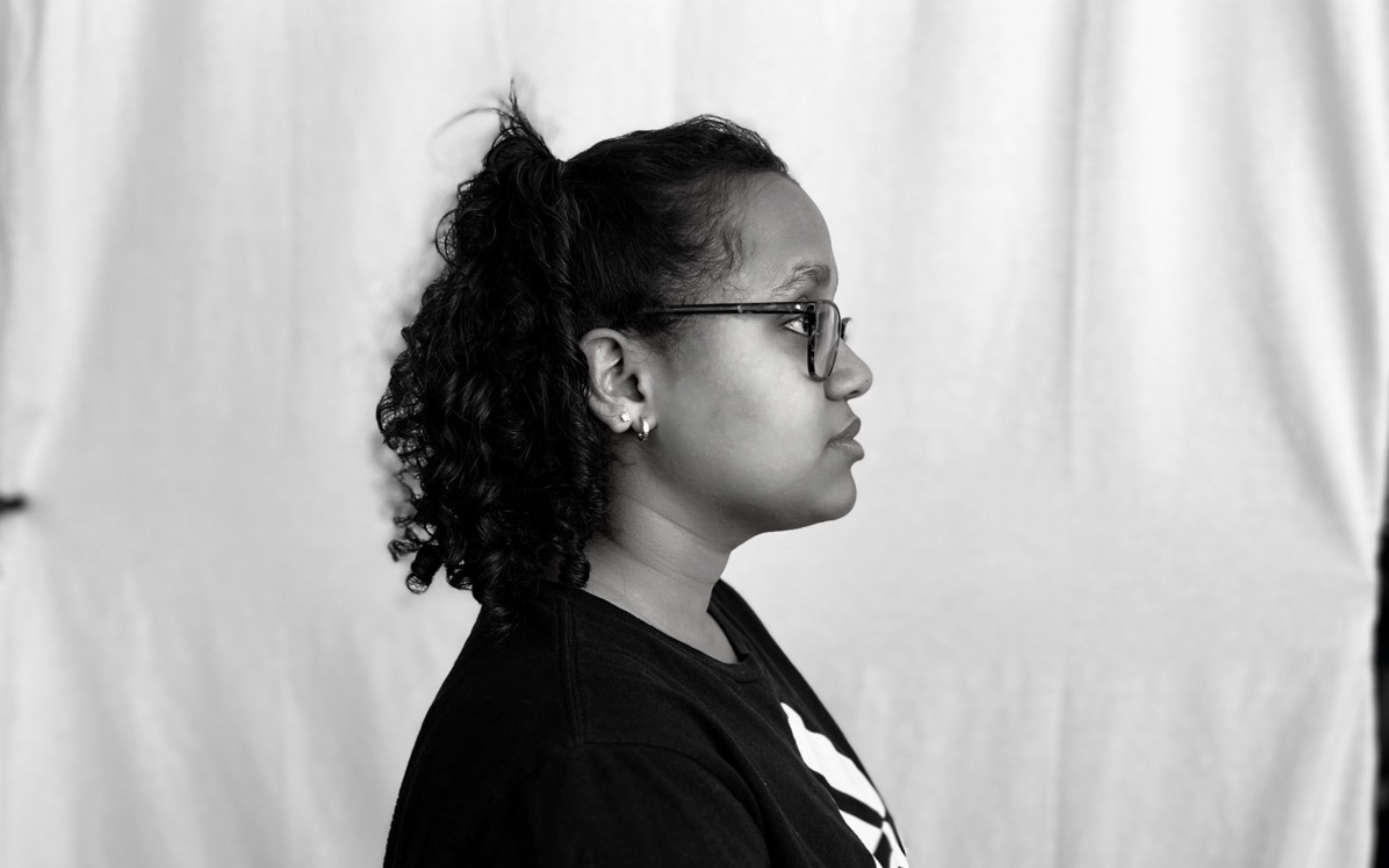
Southwest Career and Technical Academy , Las Vegas, Nevada
In the silent moments of my youth, I often found myself lost in contemplation, tracing the lines of my reflection with uncertain fingers. As a young girl growing up with unrealistic standards for beauty and success, a daunting expectation, I internalized a distorted image of myself, with societal attitudes often reinforcing the notion of white superiority. This pervasive mindset subtly discriminated against people of color and perpetuated the marginalization of non-white individuals, shaping a landscape where opportunities were evenly distributed. Self-worth was unfairly measured by skin color, so in the quiet recesses of my childhood, a single question echoed relentlessly: What if my skin color did not dictate my worth?
Growing up, I felt like an outsider in a predominantly white neighborhood. It wasn't until one fateful night, as I passed by a group of teenagers who laughed on the corner of my street, that I realized the depth of my isolation; where was my friend group? Despite my longing for a carefree life, laughter seemed like a luxury reserved for others, denied to me simply because of my skin tone. It dawned on me that the real obstacle wasn't the color of their skin but the barriers I had built around my heart – barriers fortified by years of injustice and exclusion. This realization sparked a journey of self-discovery, leading me to challenge my perceptions and rebuild my sense of identity. My family conversations often centered around challenges and injustices due to racial bias. I vividly recall my parents discussing discrimination in the workplace and witnessing their frustration as they recounted instances where their qualifications did not matter due to their race. In school, subtle cues reinforced that being white equated to being "normal" or "clean." From overlooked leadership roles to feeling invisible in history textbooks, the message was clear: my worth was measured by how closely I conformed to white standards. These experiences planted seeds of doubt and insecurity, prompting me to question where I fit in a world determined to exclude me based on my skin color.
During my 6th grade English class on cultural diversity, there was a simple question, “Why do you think cultural representation in media matters?” Which unraveled my perception and led to a profound shift in understanding. As a black African American, my identity is deeply rooted in my Ethiopian heritage and community experiences. Still, as the question hung in the air, I could not shake the feeling of unease. Growing up, I rarely saw people who looked like me represented in the media I consumed. Whether in movies, television, or advertisements, the faces were overwhelmingly white, reinforcing the message that my identity was somehow less valid. This realization forced me to confront how this lack of representation shaped my sense of self-worth, connecting deeply to the themes of diversity and inclusivity that define us as Americans.
Through this experience, I now realize the profound impact of representation in shaping perceptions of self and society and the importance of advocating for diversity and inclusion in all aspects of life. Having walked in the shoes of marginalized communities, I now possess a more profound sense of empathy and understanding. I recognize the importance of amplifying diverse perspectives and narratives to foster greater societal empathy and understanding. It ignited a passion for advocating for diversity and inclusion in all aspects of life. This shift has transformed how I navigate the world, leading me to actively seek out and amplify historically marginalized or silenced voices.
My journey of self-discovery has taught me that representation matters and each of us has the power to shape our narrative. I want to show others they are not alone in their struggles and not wrong for their feelings. America may have failed to teach us to embrace our skin. Still, through collective action and solidarity, we can challenge outdated notions of identity and rewrite what it means to be truly "American." By embracing diversity and celebrating unique identities, we can move closer to a future where everyone feels seen, heard, and valued.
© Eden . All rights reserved. If you are interested in quoting this story, contact the national team and we can put you in touch with the author’s teacher.